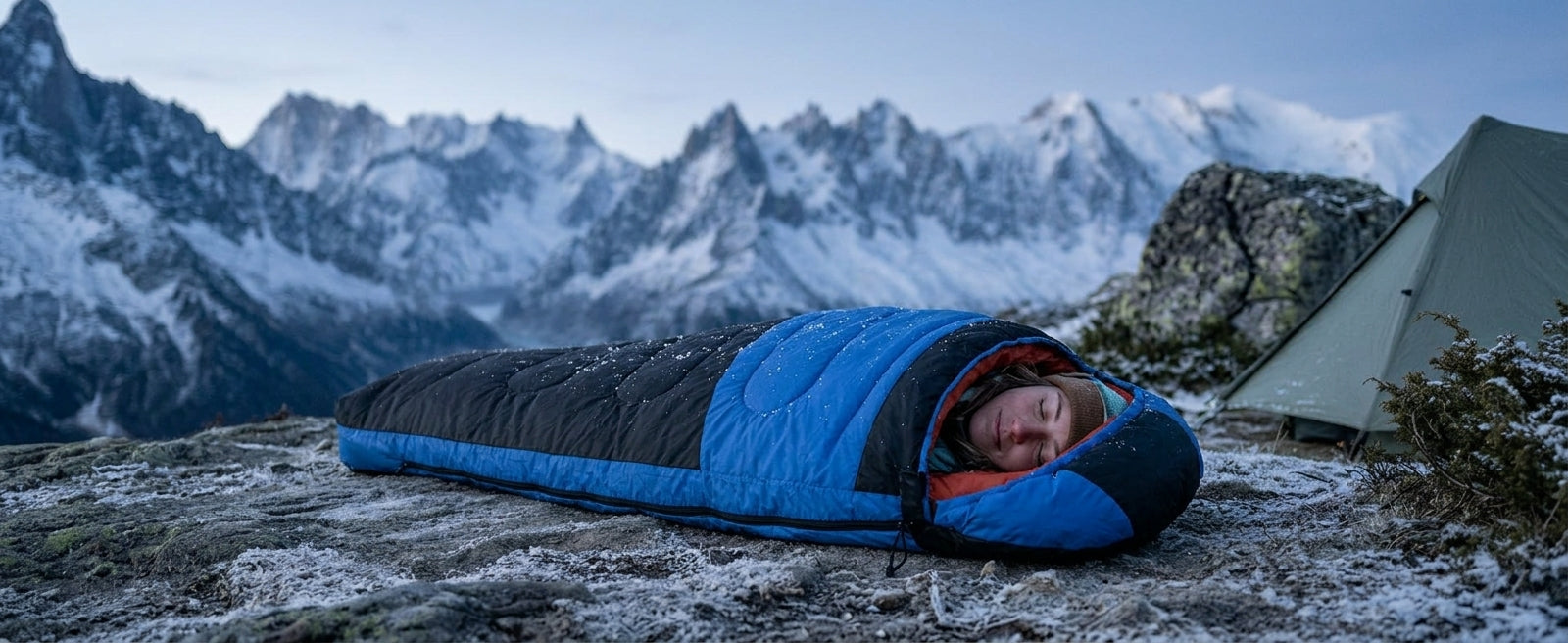
It's 5:10 a.m., and you're lying in your tent wide awake. Your sleeping bag is rated for the temperature, your pad is fully inflated, but your feet have been numb for the past twenty minutes.
Night after night throughout winter camping expeditions, the same pattern emerges, regardless of how well-prepared adventurers are—and there's a clear scientific reason. At this critical moment, three essential metrics hit their nadir in unison: ambient temperature drops to its lowest, moisture buildup within your sleeping system peaks, and your core body temperature reaches its minimum threshold. The culprit isn't inadequate equipment; it's your body's natural circadian decline that leaves you most vulnerable.
The core distinction lies in how your body responds to cold during active movement versus rest. Hiking keeps you warm through continuous motion and metabolic heat production. Camping presents a different challenge—your body generates significantly less warmth while stationary, leaving you more vulnerable to temperature drops. Most winter camping resources emphasize equipment selection and technical gear. This exploration takes a different path, examining the physiological processes your body undergoes when conscious control becomes secondary.
We'll explore the essentials in their proper sequence: establishing ground insulation, selecting the right sleeping bag, layering appropriately for rest, controlling condensation, fueling your body, and identifying potential risks.
Why isn’t a night outdoors the same as a day outdoors?
While you rest, four simultaneous processes unfold in your body, each contributing to a unified restorative purpose.
- Your core body temperature naturally declines throughout the day. This follows a circadian rhythm that spans roughly 24 hours, with fluctuations of approximately one degree. The decline typically initiates around two hours before sleep onset. This temperature shift is driven by your body's internal clock, not external cold.
- Your body's thermal output declines during sleep. Metabolic rate falls by approximately 5 to 10% in standard sleep stages, and can decrease by 10 to 15% during deeper sleep phases relative to your waking resting state. Think of yourself as an internal furnace operating at reduced capacity.
- Your body's temperature regulation weakens during sleep. In deep sleep stages, your thermal responses continue but operate at altered sensitivity levels. During REM sleep, these protective mechanisms are substantially reduced: your shivering response becomes sluggish and inconsistent, harder to activate when needed. While shivering isn't entirely absent in humans—despite common misconceptions—it remains unreliable as a defense mechanism during this phase of sleep.
- The most challenging moment arrives when circumstances align unfavorably. Your core body temperature dips to its minimum somewhere between 4 a.m. and 6 a.m., typically near 5 a.m. Simultaneously, the night reaches its coldest phase, and your sleeping bag has absorbed maximum moisture by this point. These three critical factors converge at their nadir.
- There's an important distinction to make here, one that guards against an oversimplified view: your body doesn't simply surrender. When exposed to cold, it actively boosts oxygen consumption, even throughout REM sleep. Your body fights back, though it does so starting from a diminished baseline and operating with constrained reserves.
Cold temperatures don't merely cause discomfort—they actively disrupt your sleep quality. Research comparing 21°C to 29°C environments revealed increased nighttime awakenings, reduced light sleep phases, and steeper drops in core body temperature. This fragmentation depletes your energy reserves, leaving you depleted when facing the demands ahead.
Insulate the ground before anything else
When gearing up for winter camping, there's one item that stands above all others—even more critical than your sleeping bag.
While standing, your body primarily loses heat through convection and radiation—as moving air passes over your skin, it carries warmth away. But when you lie down on snow, the dynamics shift dramatically. Your contact area with the freezing surface expands significantly, and your own weight compresses the insulating layer beneath you. The trapped air that normally provides insulation gets squeezed out, eliminating its protective effect. This shifts heat loss to conduction, making direct contact with the cold surface your body's main pathway for losing warmth.
This is precisely why a premium sleeping bag, when paired with an insufficient mat, fails to deliver on its intended performance. The shortcoming isn't with the sleeping bag itself.
Choosing a Sleeping Bag: The Three Temperature Ratings and What They Mean
A typical bag shows three temperature readings. Rather than presenting competing forecasts, each one addresses a distinct question.
Comfort and limit ratings don't represent two separate insulation systems. Rather, they reflect a single insulation measurement expressed through two temperature thresholds. This distinction exists because the standardized test dummies used in evaluation have different body masses, distinct surface-to-volume ratios, and varying basal metabolic rates.
Here's a critical detail that often gets overlooked—and it matters for your sleeping bag decision: the current testing standard only applies to sleeping bags with lower temperature limits of -20 °C or warmer. This means a sleeping bag rated for -35 °C exists outside the standard framework, making its rating incomparable to bags that follow the official guidelines. The silver lining: if you're camping in -10 °C conditions, you're solidly within the range where standardized ratings actually hold up and give you reliable comparisons.
A sleeping bag's temperature rating is established through controlled laboratory testing conducted on a highly insulating reference pad, with a thermal dummy positioned flat, and no tent present. The rated temperature therefore relies on a specific level of ground insulation that may not match your actual camping setup. This is why selecting the right sleeping bag and sleeping pad must be considered together as complementary gear.
How should you dress for sleeping in extreme cold?
When it comes to cold-weather camping, one of the most overlooked essentials is something simple yet critical: avoid sleeping in the same clothes you wore during your hike. Your hiking garments have absorbed perspiration throughout the day, and wearing damp fabric against your body will trap moisture and chill you throughout the night. Make it a priority to change into dry base layers before climbing into your sleeping bag—even if those five minutes feel uncomfortable, it's a small investment that makes a significant difference in your warmth and comfort.
Second principle: layering extends beyond daytime. Your nighttime setup should include a moisture-wicking base layer, a thermal mid-layer, a warm hat, and fresh socks to maintain core warmth throughout the night. The key is balance—avoid over-layering, as excess clothing compresses the down filling in your sleeping bag, collapsing the air pockets that provide insulation. This compression undermines your warmth strategy entirely, so choose fitted layers that trap heat without restricting your bag's loft.
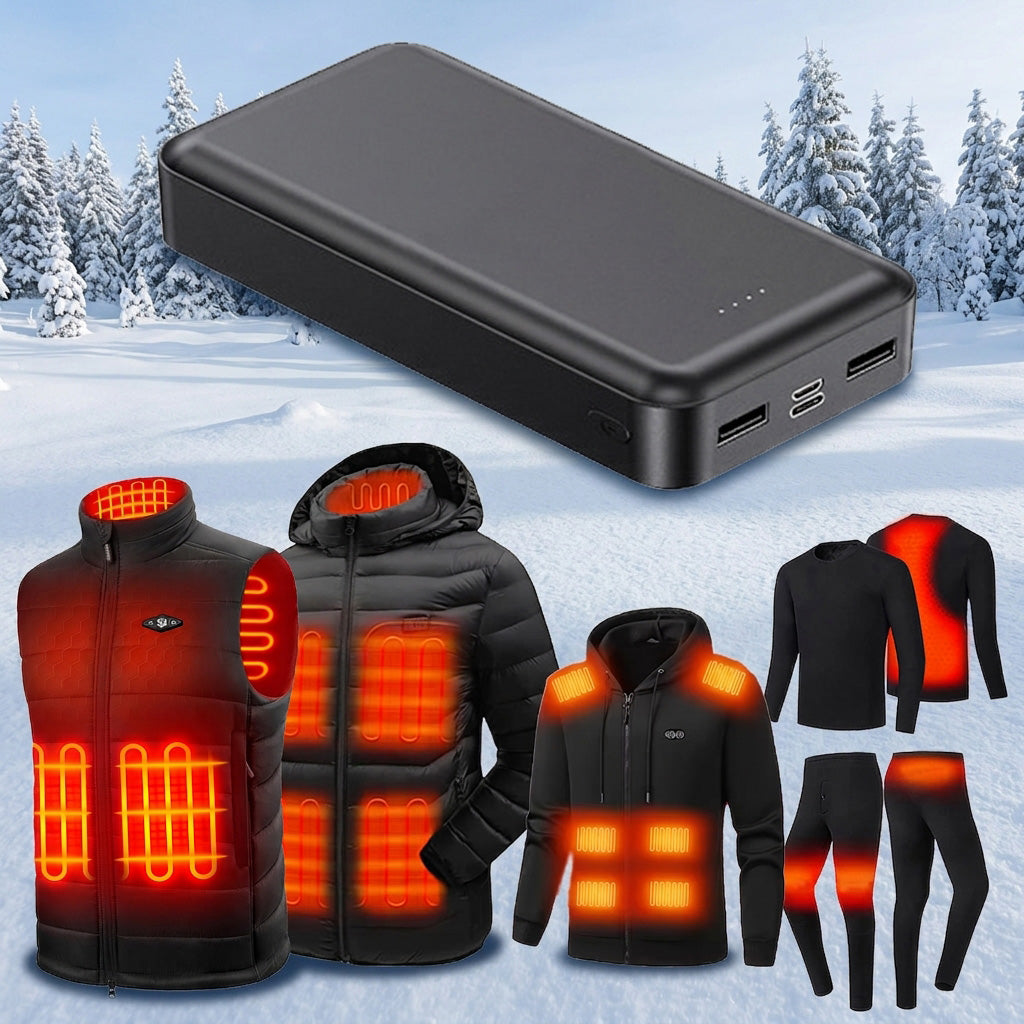
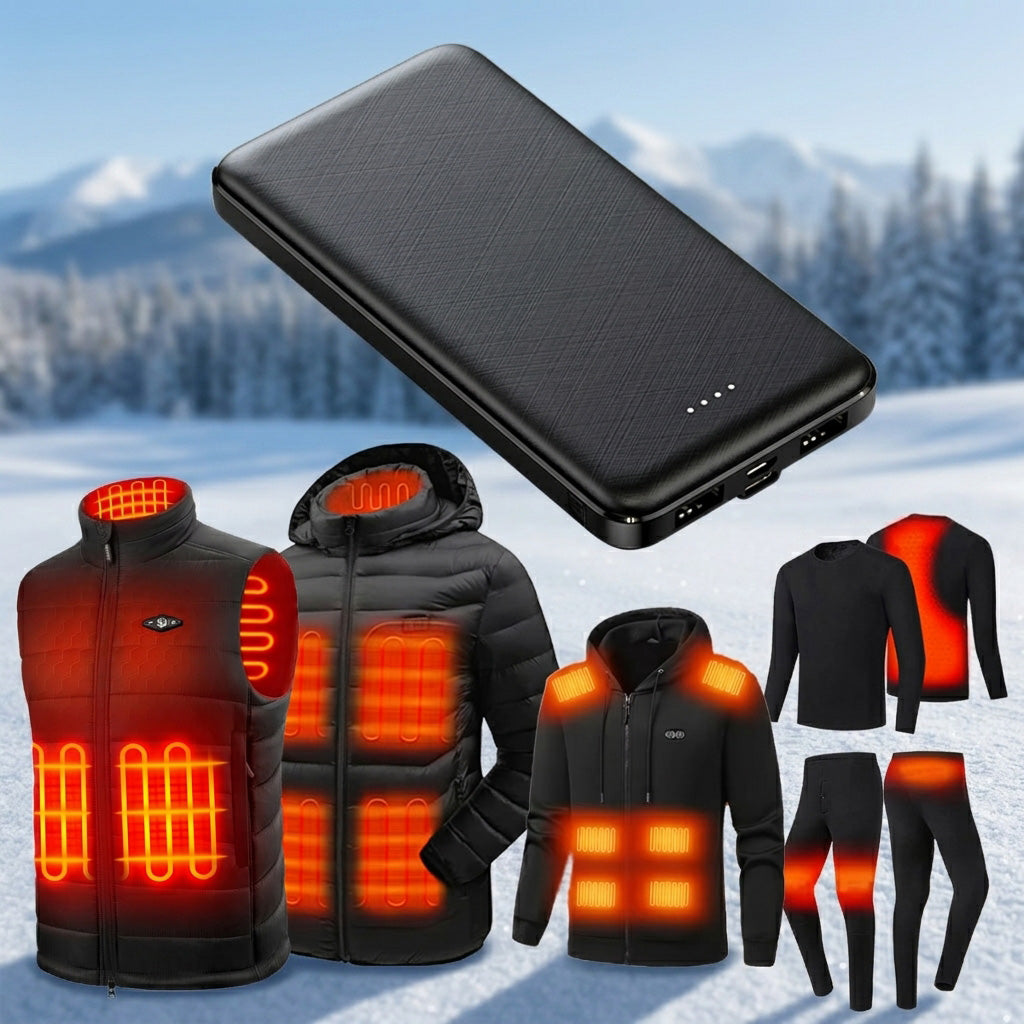
When layering for the mid-section, a SOFTSHELL heated sleeveless vest serves as an excellent choice, offering dual functionality through trapped insulating air and additional thermal protection in a single piece. This versatile garment performs equally well whether you're at base camp or nestled inside your sleeping bag.
Protect your extremities—they’re the first to give out
Your body instinctively protects its core when it perceives a threat to internal temperature, redirecting circulation away from your extremities. While this survival mechanism serves an important purpose, it creates real discomfort during sleep—especially when combined with extended periods of stillness.
Vulnerable zones include the fingers, toes, nose, ears, cheeks, chin, heels, and any skin compressed by tight clothing. Compression remains an underestimated risk factor: overly snug slippers or thick socks in fitted shoes can impede blood flow instead of offering the intended safeguard.
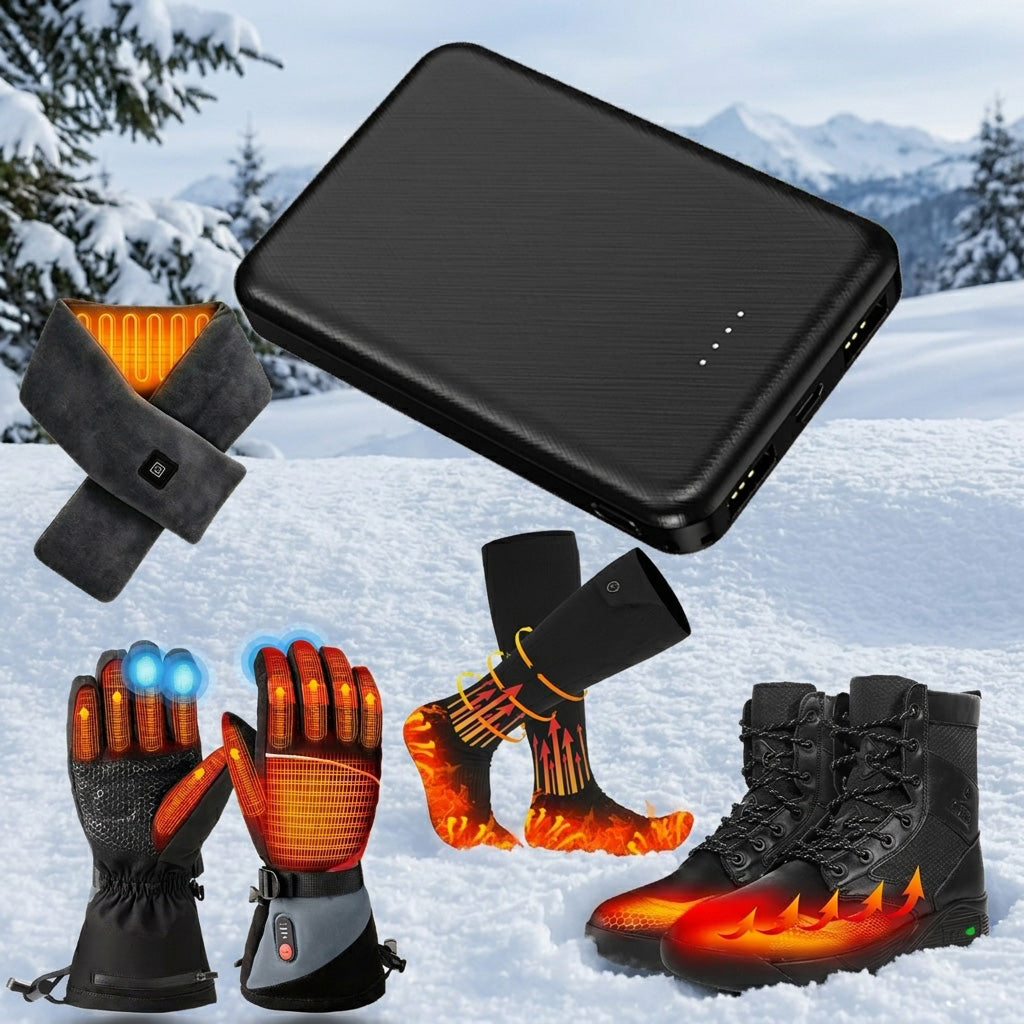
Keep your feet warm with OUTDOOR heated socks for direct coverage, while THERMO heated insoles provide extra warmth inside your shoes during extended camp stays. When it comes to hand protection, NORDIC heated ski gloves excel in harsh mountain environments and freezing temperatures, offering the dexterity required to operate a stove or manage zippers—capabilities that standard mittens simply cannot deliver. Explore our full range of heated socks and heated insoles to find the perfect fit for your cold-weather adventures.
Managing moisture: the silent enemy of the second night
Winter camping involves continuous moisture release from breathing and perspiration throughout the night, regardless of how cold it gets. This moisture needs to travel through your sleeping bag to dissipate into the air. However, in extremely cold conditions, the moisture cannot fully escape. Instead, it reaches subfreezing temperatures within the insulation layer and turns into frost.
Tests conducted in extremely cold environments reveal that a substantial amount of moisture generated fails to exit the sleeping bag. This issue builds progressively and accumulates over time: performance remains adequate on night one, deteriorates by night two, and across extended backcountry trips, your sleeping bag's insulation capability diminishes with each passing night.
A few simple steps can limit this phenomenon:
Avoid sleeping with your head buried in the sleeping bag. When you breathe, you release moisture that accumulates and freezes within the insulation material. Instead, pull the hood snug around your head and leave your face open to circulate air.
Begin your day by airing out your sleeping bag inside-out before packing it away. Just a few minutes of exposure is sufficient to release accumulated moisture.
Keep your tent ventilated, even if it seems odd. When a tent is sealed, it collects the moisture you produce, which eventually condenses onto your sleeping bag.
For extended journeys, consider choosing synthetic insulation or a highly breathable exterior fabric—synthetic options excel at managing trapped moisture, despite their added weight.
Eating and drinking: your internal heating system
Digestion generates bodily heat, which becomes valuable when consumed before sleep. A substantial meal containing carbohydrates and fats, consumed shortly before entering your sleeping bag, notably enhances the quality of your early sleep hours.
Winter camping presents a deceptive hydration challenge. Cold temperatures suppress your thirst signals, yet your body continues losing moisture through respiration and perspiration beneath insulating layers. The key is to drink beyond what your body tells you to want, and use urine color as your true indicator of hydration status rather than relying on thirst cues.
A warm beverage before sleep delivers a two-fold benefit: it supplies heat and maintains hydration levels. In contrast, steer clear of alcohol, which expands blood vessels in your skin—creating a fleeting feeling of warmth while simultaneously increasing water loss from your body. This runs counter to what your system truly requires.
Make certain you have the proper tools for snow melting if you intend to use it as a water source—this demanding and resource-heavy method requires careful planning and should not be attempted without adequate preparation.
Around the campsite: the hours when you’re stationary are the coldest
The toughest moment during a winter camping trip isn't actually after dark—it's that awkward evening window—and every trip proves this pattern holds true. Once you stop hiking, your core temperature plummets, perspiration begins to chill against your skin, yet you're faced with pitching the tent, preparing meals, and arranging your campsite.
This is the moment when a dependable, wind-resistant jacket becomes truly vital. It bridges that critical window at dusk—the interval between finishing your activity and sliding into your sleeping bag—when core temperature plummets rapidly while exposed to the elements. Three factors stand out: genuine wind resistance, insulation that maintains its loft despite pressure from pack straps, and—for heated options—battery capacity calibrated for camp setup rather than all-night runtime. When precision is required—pitching a tent, igniting a burner, managing fasteners—CITY heated gloves deliver the control that mittens cannot match. Our range of heated jackets, down jackets, and insulated vests includes options tailored to each need.
Take time to select your campsite with care: ensure it offers wind protection, avoid low-lying areas where frigid air tends to settle, pitch on solid ground instead of soft snow, and keep clear of potential hazards overhead. The right location can make a meaningful difference in warmth.
Many campers prioritize purchasing a quality sleeping bag but overlook the sleeping pad, then find themselves struggling with the cold. This happens because the ground beneath you siphons warmth far more rapidly than the surrounding air—after all, you're pressed against it throughout the entire night.
The gear list for a winter bivouac
While hardly comprehensive, this guide cannot replace hands-on experience or professional mountain guidance. It covers essentials that seasoned hikers always pack, alongside those they often wish they had brought.
Sleeping gear, in order of priority
Mattress with an appropriate R-value; ideally, foam under an inflatable.
Select your sleeping bag according to its comfort temperature rating. Down-filled options deliver superior warmth-to-weight performance, while synthetic materials work better for extended multi-night expeditions.
A winter tent engineered with snow-compatible stakes and anchoring solutions to secure your shelter in frozen terrain.
Use an oversleeping bag or bivy sack when sleeping without a tent to shield your down insulation from moisture accumulation.
Travel and Safety
Choose between snowshoes and skis based on terrain and snow quality: snowshoes excel in powdery conditions, while lightweight crampons prove more effective on compacted snow.
Winter hiking poles equipped with baskets serve a dual purpose—they help you navigate snowy terrain while also functioning as a practical tool for measuring snow depth.
Shovel: used to compact the camping area, excavate a windbreak shelter, secure anchors underground, and remove snow if conditions worsen overnight. It's that essential gear you pack with the hope of never having to deploy it.
Headlamp and spare batteries kept warm.
Ensure your communication device is fully charged and leave detailed route information with a trusted person at your base.
Cooking and Water
Cold-weather performance matters: as temperatures plummet, gas cartridges experience pressure loss, whereas gasoline stoves maintain consistent reliability in extreme conditions.
Lighter and storm matches, in duplicate, in two different pockets.
Carry more fuel than you anticipate needing if you plan to melt snow.
An insulated water bottle filled with hot water before bed doubles as a cozy heat source within your sleeping bag.
Before You Leave
Monitor weather conditions continuously right up to your departure, paying attention to more than just temperature readings: wind speed and rainfall will significantly affect your experience overnight. It's advisable to choose your initial expedition in well-known areas with accessible escape routes nearby, and to steer clear of remote peaks until you've gained sufficient expertise. Like other high-elevation zones, the Alps experience swift weather shifts, and winter bivouacking demands the judgment to recognize when retreat is necessary.
Why choose firoth for winter bivouacking?
1.We focus on those critical moments when your body's natural heat production declines. A sleeping bag works by trapping warmth; heated apparel actively creates it. This is exactly what you need during the coldest hours—roughly 4 a.m. to 6 a.m.—and when you're stationary around your campsite.
2. Gear engineered for extended stillness. The majority of technical apparel is built for active movement and energy output. Bivouacking demands the reverse: lengthy periods of stationary waiting in frigid conditions, with minimal body heat generation.
3. Full-body protection spanning from your core to your fingertips and toes. Your extremities lack independent temperature control, relying instead on warmth generated and maintained by your central body temperature.
4. Swap out batteries with ease and trust our honest battery performance ratings. You'll have clear expectations for an evening of use, and the option to carry a spare battery for added peace of mind.
5. Firoth emerged from a genuine struggle with cold-related challenges. Founded in 2017, the brand was created when one of its co-founders faced persistent circulation difficulties exacerbated by cold temperatures. Rather than a casual addition to an existing product range, firoth represents a purposeful beginning rooted in real-world need.
Conclusion
The key to a successful winter bivouac lies in three critical choices made ahead of time: ensuring sufficient insulation between you and the ground, selecting a sleeping bag based on genuine comfort ratings rather than peak thermal values, and preparing a plan to manage the night's most frigid hours.
This is the lesson that real-world experience drives home most forcefully—and it's precisely what separates restful sleep from nights of tossing and turning. Your core temperature drops to its minimum between 4 and 6 in the morning, when your body's defenses are at their lowest. Whatever support you can offer during those critical hours—whether it's a dry layer against your skin, reliable warmth nearby, or fuel consumed before sleeping—proves far more valuable than any ten-degree rating printed on a product tag.
FAQ
What R-value mattress is needed for sleeping on snow?
Aim for an R-value of 5 or higher, particularly when dealing with frozen ground or sub-zero nighttime conditions. A minimum R-value of 4 is acceptable, though 6 and above offers superior performance in extreme cold. To enhance insulation and guard against puncture-related failures during sleep, consider placing a foam pad beneath your inflatable sleeping mat.
How do you interpret the three temperature ratings on a sleeping bag?
When selecting a sleeping bag, focus on the comfort temperature—this rating applies to a relaxed sleeper who stays warm without shivering, making it the key metric for your decision. The limit temperature is designed for an experienced cold-weather sleeper in a curled position. The extreme temperature represents a survival threshold and carries significant risk of frostbite, so it should not be your primary consideration when buying.
Why do I feel cold around 5 a.m. even though I wasn’t cold when I fell asleep?
The coldest hours occur when three conditions align simultaneously. Your core body temperature dips to its lowest point between 4 a.m. and 6 a.m., ambient temperatures hit their nadir, and your sleeping bag has absorbed moisture throughout the night. The shift isn't in your equipment—it's in your physiology.
Should you sleep fully clothed while winter camping?
Absolutely, but make sure to put on dry clothing and avoid wearing too many layers. Change out of any clothes you wore while exercising, and put on a fresh hat and pair of socks. Don't pile on so many layers that you squash the sleeping bag's insulation material: when down gets compressed, it loses its loft—and therefore its ability to keep you warm.
What should you eat and drink before sleeping in extreme cold?
Consume a substantial meal loaded with carbohydrates and fats just before entering your sleeping bag; the metabolic process of digestion generates warmth precisely when you require it most. Increase your fluid intake beyond what feels necessary, as cold environments suppress your thirst response. Steer clear of alcoholic beverages, which create a false impression of heat while simultaneously accelerating your body's heat dissipation.
Why does my sleeping bag seem less warm after several nights?
Moisture accumulation is the culprit. When temperatures drop significantly, the moisture your body generates freezes within the insulation rather than dissipating, and this problem compounds progressively. Make it a habit to air out your sleeping bag each morning prior to rolling it up, and avoid sleeping with your head covered inside the bag.
What are the first signs of frostbite?
Frostbite presents as pale or whitish skin discoloration accompanied by numbness and tingling sensations. The fingers, toes, nose, ears, and cheeks are particularly susceptible to this condition. Treatment requires slow, gentle rewarming of the affected area—avoid rubbing or exposing it to intense heat sources. Do not begin rewarming if there is any possibility of the area refreezing.