When the temperature drops, battery-powered heated apparel can be a practical addition to your winter wardrobe. Rather than layering several bulky sweaters that limit movement and may feel too warm once you head indoors, carbon fiber heating offers on-demand, adjustable warmth at the touch of a button.
Once you choose to invest in heated clothing, though, you’ll encounter a familiar question: is a heated vest or a heated jacket the better choice?
Both use rechargeable lithium batteries and flexible heating panels to provide warmth, but each suits different winter conditions and routines. The right option depends on how you layer, how much time you spend moving outdoors, and the weather you typically face. This side-by-side guide will help you decide which piece is the right fit for your wardrobe this season.
Quick Verdict: The 30-Second Decision Guide
-
Choose a Heated Vest if: You’re looking for versatile warmth through fall, winter, and early spring; need full arm mobility for sports, driving, or hands-on work; or want a lightweight layer to add warmth beneath the winter coats you already own.
-
Choose a Heated Jacket if: You need a standalone outer layer to shield you from strong wind, rain, and snow; expect to spend extended periods stationary in freezing conditions; or want warmth for your arms and shoulders as well as your core.
Heated Vest vs. Heated Jacket: Side-by-Side Comparison
| Feature |
Heated Vest |
Heated Jacket |
| Primary Role |
Versatile mid-layer or standalone mild-weather outer layer |
All-in-one insulated, weather-resistant winter outer shell |
| Core Warmth |
High (concentrates heat directly against your torso and neck) |
High (warms core plus traps heat down your sleeves) |
| Arm & Shoulder Warmth |
Relies on your base layer or outer coat |
Covered by insulated, wind-blocking sleeves |
| Mobility & Bulk |
Zero arm restriction; sleek, low-profile silhouette |
Slightly heavier; built like a traditional winter parka or softshell |
| Layering Flexibility |
Winner — fits effortlessly under coats, hoodies, and workwear |
Limited — worn primarily as your outermost layer |
| Weather Protection |
Wind- and water-resistant shell, but arms remain exposed |
Full upper-body windproof and water-repellent (DWR) protection |
| Seasonality |
3-season usability (crisp autumn through deep winter and early spring) |
Primarily cold winter and sub-freezing outdoor conditions |
| Packability & Weight |
Lightweight and easy to roll into a backpack or carry-on |
Bulkier to pack when not being worn |
1. Warmth and Heat Distribution
A heated jacket may seem warmer simply because it covers more of your body. But the warmth you feel depends on how heat reaches your core and how well your arms are insulated.
How a Heated Vest Warms You
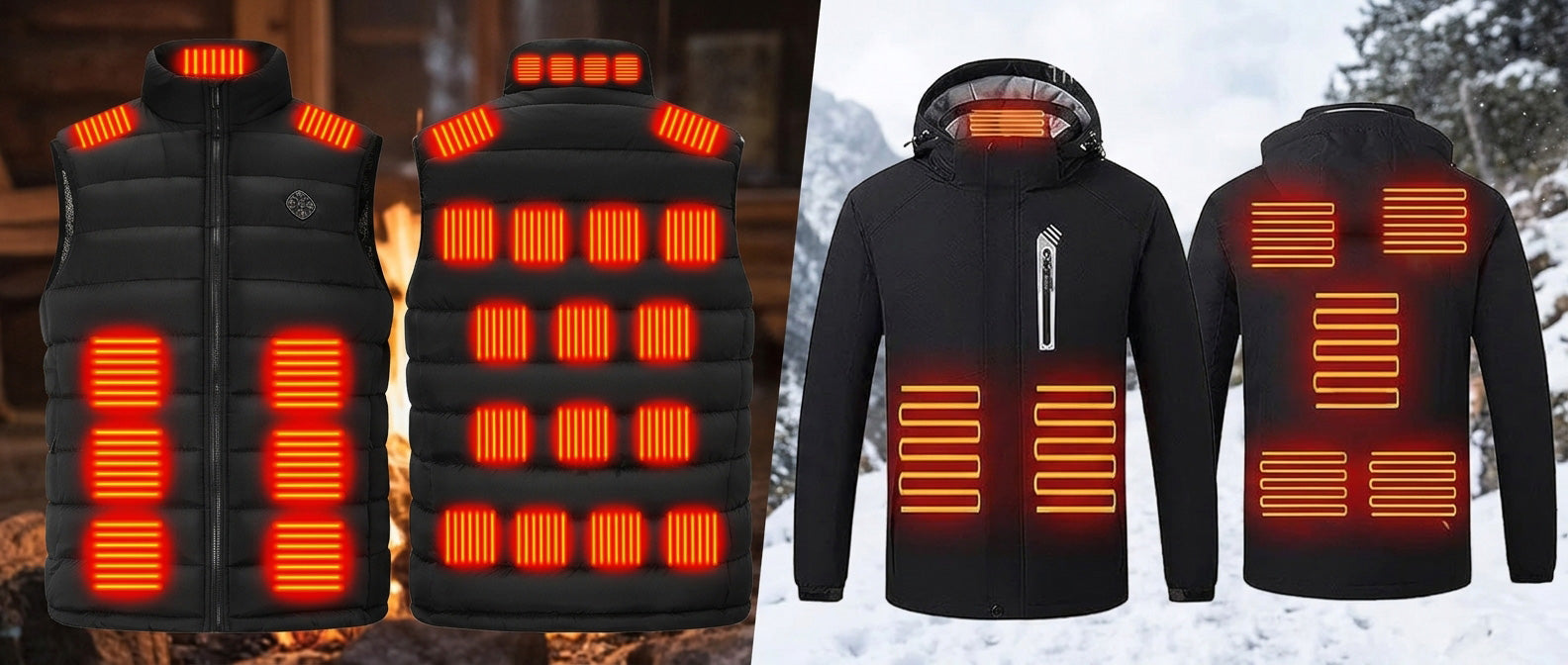
A well-designed heated vest places thin carbon-fiber heating panels against areas such as the upper back, chest, front pockets, and sometimes the collar. With no sleeves to create extra space, a close-fitting vest can sit snugly against your torso. This contact helps transfer heat to your core, while circulation carries warmth toward your extremities.
Layer a heated vest beneath a windproof parka or winter shell, and the outer layer can help retain its warmth. This combination may feel comparable to a heated jacket while letting you use a lower battery setting.
How a Heated Jacket Warms You
A heated jacket often uses similar heating zones—such as the back, chest, and pockets—but adds insulated, wind-blocking sleeves and fitted cuffs. If you're stationary on a breezy ski lift, watching an evening football game, or working outdoors, your exposed arms can lose heat quickly. A jacket helps cover you from waist to wrists and keeps cold air from traveling up your sleeves.
2. Layering Versatility and Style
Think about how your temperature and surroundings change throughout the day. You might move from a cold parking lot into a heated office, pop in and out of stores, or warm up once you begin a hike—not spend the entire day in severe cold.
-
The Heated Vest Advantage: A vest is easy to layer in different conditions. On a cool autumn morning, wear a lightweight Firoth heated vest over a flannel shirt or quarter-zip pullover. When winter arrives, you can layer the same vest beneath a wool coat, ski shell, or work jacket without adding bulk around your arms.
-
The Heated Jacket Advantage: A jacket makes getting dressed straightforward. Instead of combining several layers, you can wear a T-shirt or light sweater, zip up your heated jacket, and head out. It’s a convenient choice if you prefer a single, ready-to-wear winter layer.
3. Mobility and Active Movement
For outdoor activities, sleeve bulk can make a noticeable difference in how freely you move.
-
Best for Active Movement (Heated Vest): Golfers, archers, hunters, dog walkers, delivery drivers, and outdoor workers may appreciate the freedom of a heated vest. With your shoulders and arms less restricted, actions such as swinging a club, drawing a bow, lifting equipment, or steering feel more natural. During exertion, uncovered arms can also release excess warmth.
-
Best for Less Active Conditions (Heated Jacket): When you’re moving less—ice fishing, sitting in a deer stand, tailgating, snowmobiling, or commuting on a cold morning—you generate less heat through activity. That’s when the full sleeves and storm cuffs of Firoth heated jackets can be especially useful.
4. Weather Resistance and Seasonal Lifespan
Consider how often you’re likely to wear each garment throughout the year:
-
Three-Season Versatility: Without heavily padded sleeves, a heated vest can be comfortable across a broad range of conditions, from fall into spring. On milder days, you can leave the heating off and wear it as a quilted everyday layer.
-
Protection for Harsh Winter Conditions: A heated jacket is designed to provide more complete coverage in poor weather. Features such as a durable water-repellent outer shell, wind-resistant zippers, and an insulated hood or high collar can help shield you from sleet, wet snow, and gusts without adding another coat.
5. Battery Life and Weight Considerations
Heated vests and jackets commonly use compact rechargeable lithium battery packs, often stored in an interior zippered pocket. Battery voltage and design vary by garment.
Since both styles may heat similar core areas, such as the upper back, chest, and pockets, their runtimes can be comparable. Actual battery life depends on the garment and conditions; higher settings generally use power faster than lower ones. A vest has less fabric and no insulated sleeves, so it may feel lighter on your shoulders and pack more easily in a weekender bag or carry-on.
Heated Vest or Heated Jacket? Find Your Best Fit
Not sure which option suits you? Consider how you spend your time outdoors and compare your routine with the situations below.
A heated vest may be right for you if you’re:
-
Someone who likes layering or commutes: Looking for a streamlined layer for a chilly office or something to wear beneath a tailored coat.
-
An active hiker or outdoor athlete: Wanting unrestricted shoulder movement for golf, winter runs, hikes, or outdoor chores like chopping firewood.
-
Already happy with your outerwear: Keeping your favorite ski jacket or work coat and adding adjustable warmth underneath when needed.
A heated jacket may be a better choice if you’re:
-
A spectator or someone spending long periods outdoors: Sitting on cold bleachers, ice fishing, or waiting at a chilly train platform.
-
A cold-weather rider or outdoor worker: Facing persistent wind chill that can leave your arms feeling cold.
-
A fan of simple, one-layer dressing: Wanting a single winter coat to help shield you from wind, light snow, and freezing temperatures.
Frequently Asked Questions (FAQ)
Can I wear a heated vest under a regular winter coat?
Yes—in fact, wearing a snug-fitting heated vest underneath a windproof winter coat is one of the most effective ways to stay warm in extreme cold. Your outer coat blocks wind and traps the vest's active heat close to your core, allowing you to stay cozy on the Low or Medium heat setting all day.
Are heated jackets warmer than heated vests?
On their own, yes—a heated jacket provides more total warmth because it has insulated, wind-blocking sleeves that protect your arms. However, a heated vest layered under a good winter shell delivers comparable core warmth with much greater versatility across milder seasons.
Can you machine wash both heated vests and heated jackets?
Yes. Quality carbon fiber heated apparel is fully machine washable. Simply disconnect and remove the battery pack, zip up the battery pocket to protect the connector cable, place the garment in a mesh laundry bag on a gentle cold cycle, and hang it to air dry.
Final Thoughts: Build Your Ideal Cold-Weather System
You don't necessarily have to overhaul your entire winter wardrobe to beat the cold. If versatility, unrestricted arm movement, and effortless layering top your priority list, a heated vest will quickly become the most-worn piece in your closet. If you want an all-in-one, wind-blocking winter coat built for freezing temperatures and stationary outdoor time, a heated jacket is the clear winner.
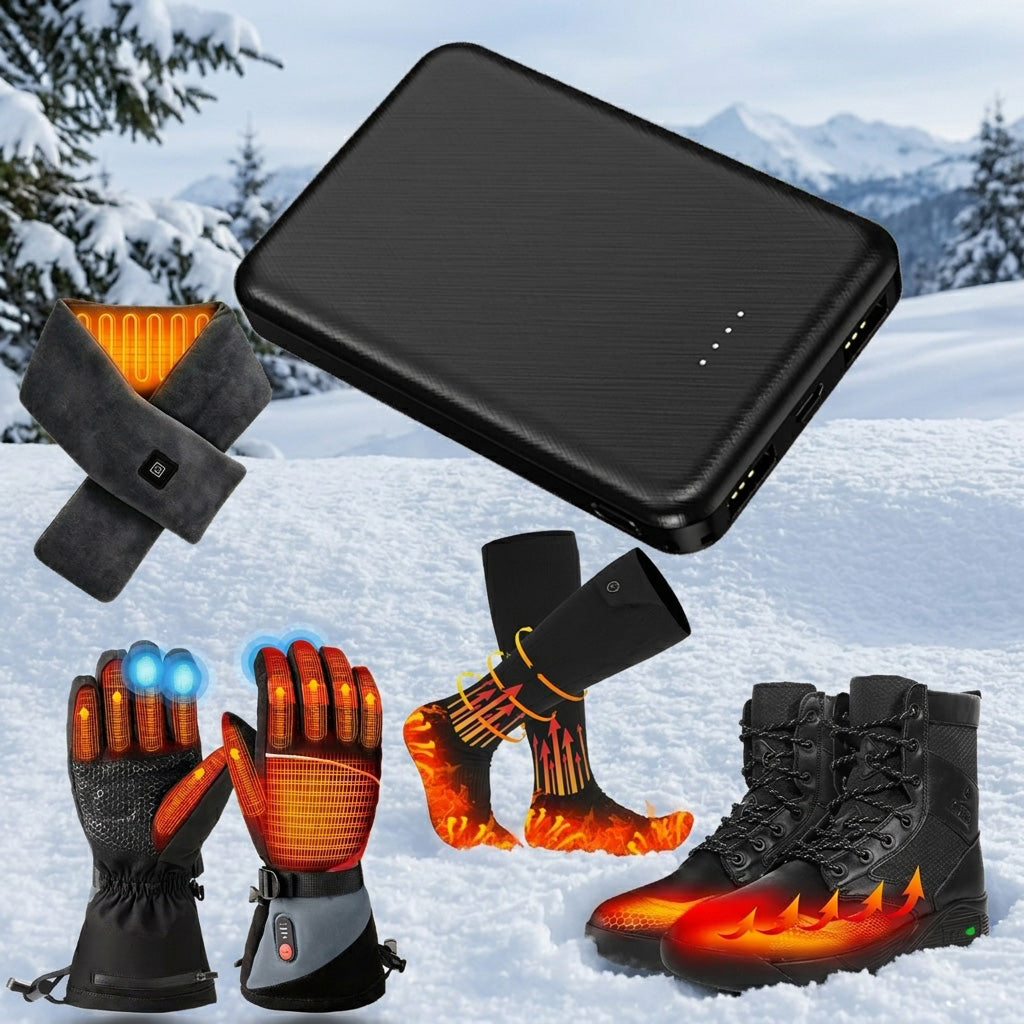
Whichever core layer you choose, pairing it with rechargeable heated gloves and thermal accessories ensures your hands and extremities stay just as warm as your torso—so you can enjoy every crisp winter morning without cutting your plans short.