Know the feeling? You roll your bike out on a bitterly cold morning, and the chill cuts through you before you’ve even begun to pedal. But winter doesn’t have to send your bike into storage. With the right thermal cycling clothing and a few practical tips, cold-weather rides can feel freeing again.
At Firoth, we help cyclists make the most of riding in the cold. This guide covers the three-layer system, ways to protect yourself from head to toe, and newer thermal options worth knowing about. Ready to make winter riding more comfortable?

The three-layer system: a smart defense against the cold
The breathable base layer: manage moisture from the start
Skip cotton: once damp, it can leave you feeling cold and uncomfortable. Your base layer helps move perspiration away from your skin so you can stay drier. Merino wool is a popular choice because it helps regulate temperature and can retain insulating properties when damp.
-
Suitable fabrics: merino wool or breathable synthetic materials
-
Close-fitting design: for contact with the skin
-
Long sleeves: to cover your upper body
The insulating mid-layer: add warmth you can adjust
This layer helps hold warm air close to your body while letting moisture move outward. Depending on how hard and how long you plan to ride, choose a thermal jersey or a lightweight fleece.

The protective outer layer: guard against the elements
A waterproof, wind-resistant jacket helps shield you from rain and cold gusts. Look for breathable fabric to reduce overheating as you ride. A softshell can offer a practical balance of weather protection and freedom of movement.
Essential clothing for cold-weather cycling
Want to keep riding through winter without letting the cold take over? A good kit is about more than cycling shorts or a long-sleeved jersey. Different parts of your body need different kinds of protection from wind and weather, so consider your whole outfit when planning a ride. The right layers can help you stay comfortable and focused when temperatures fall.
With suitable gear, you can better manage your comfort and keep riding in colder conditions. No more setting off with unprotected hands or ears when the temperature drops.
Protect your lower body: balance warmth and movement
Thermal tights or waterproof trousers: which should you choose?
Consider the temperature, how long you’ll be out, and the forecast. Thermal tights can work well for dry, cold rides, offering warmth and freedom to move. In persistent rain, waterproof trousers can help keep your legs dry.
- Thermal tights or seamless heated leggings: for active rides in dry conditions
- Waterproof trousers: added protection in rain or snow
- Overskirt: a flexible option for adapting your layers
Key areas to cover: knees, thighs, and seat
Your knees face the wind throughout a ride, so thermal panels in this area can add useful protection. Your thighs and seat also benefit from appropriate layers that help keep your muscles warm as you cycle.
New options: heated cycling shorts and adaptive features
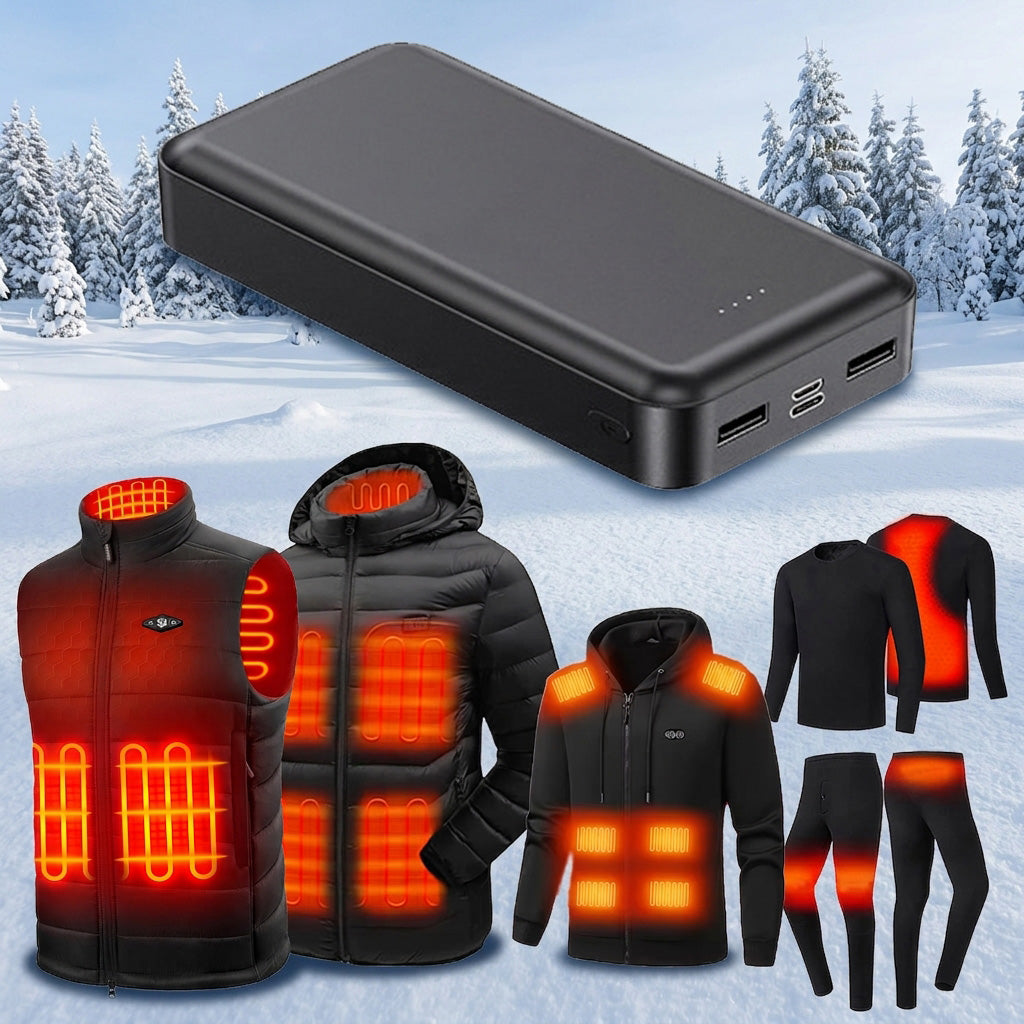
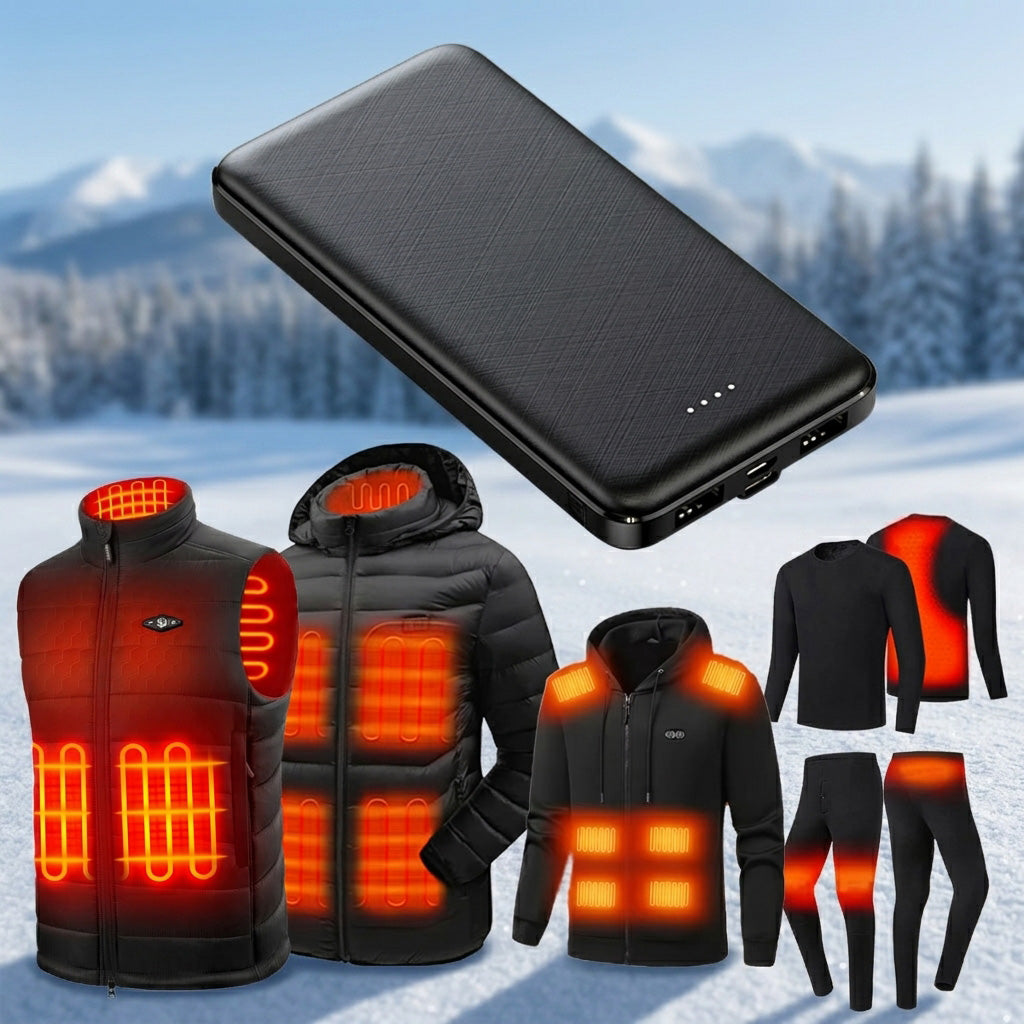
Heated cycling shorts use targeted warming zones and a portable battery to provide extra warmth around the muscles. Some adaptive designs adjust heat in response to your effort or outdoor conditions.
Protect your extremities: where the cold can hit hardest
Heated gloves and arm warmers: keep control in changing conditions
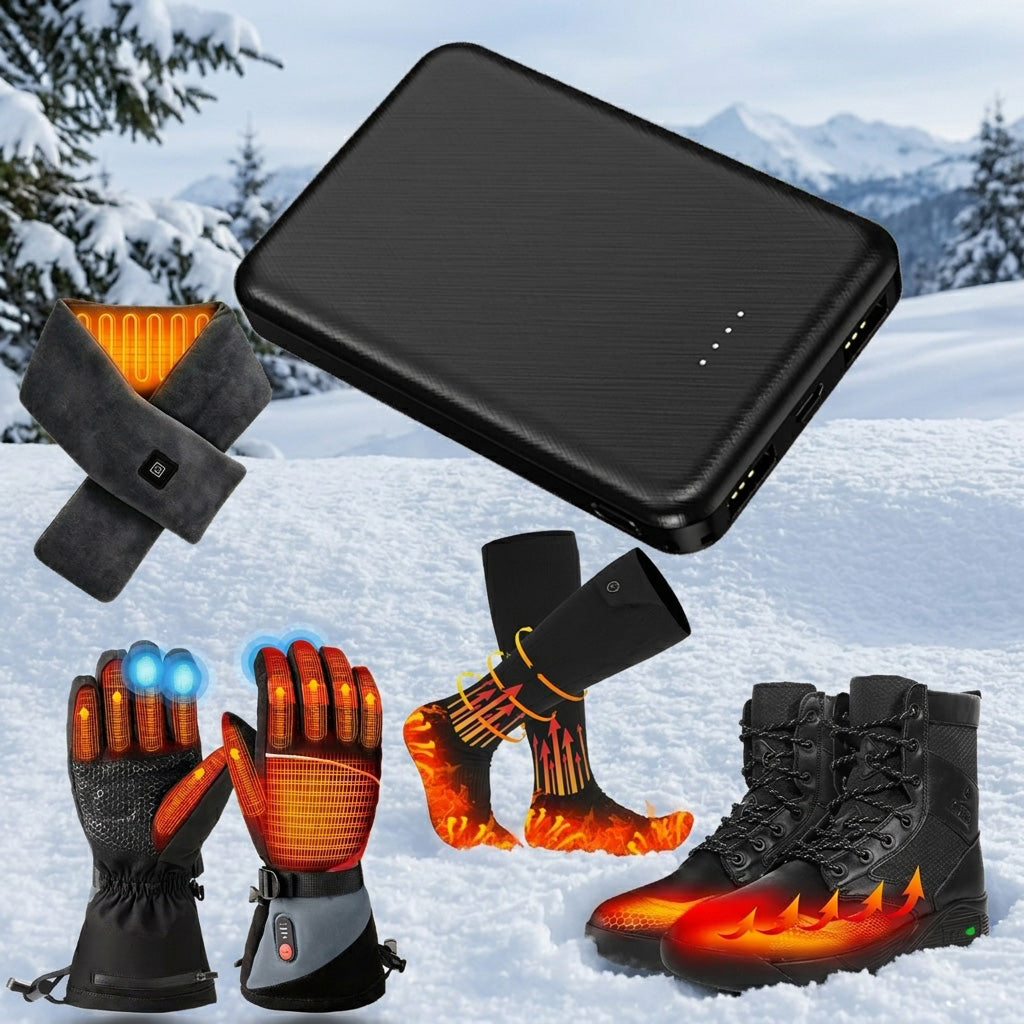
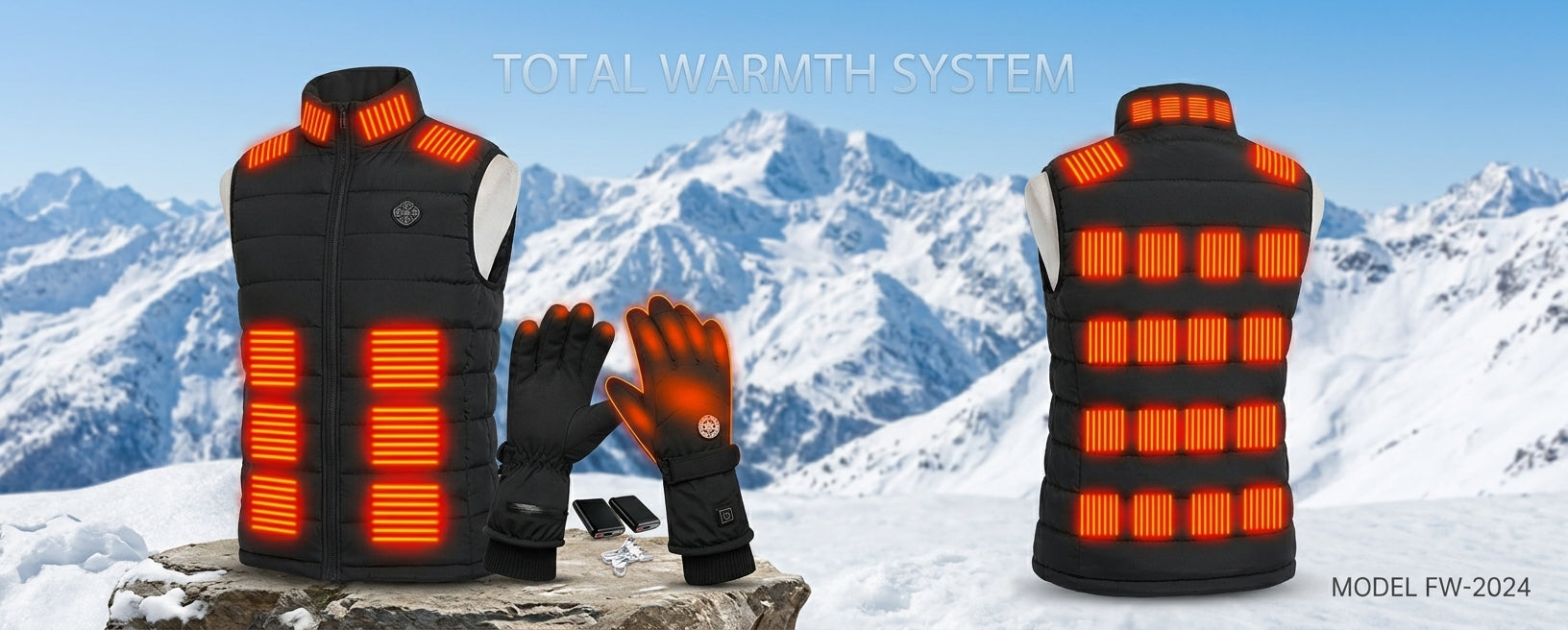
Your hands operate the brakes and gears and help you maintain control. Cycling-specific heated gloves combine warmth with a design suited to holding the handlebars. Multiple heat settings let you adjust the level to suit the weather and your ride.
Thermal socks and overshoes: help keep feet warm and dry
Cold feet can make a ride uncomfortable. Merino wool or heated socks can help keep your feet warm, while waterproof overshoes add a layer of protection against wind and moisture.

Head and neck protection: liners, technical caps, and warmers
Your head and neck need protection from cold air, especially on exposed rides. A thermal helmet liner or a thin technical cap can fit beneath your helmet. A neck warmer helps cover the gap between your jacket and helmet and shields your neck from chilly drafts.
Goggles and masks: maintain clear vision
Cold wind can make your eyes water and affect visibility. Goggles with an anti-fog treatment can help you see more clearly, while a face mask can cover your nose and cheeks, particularly on faster descents.
Visibility and safety: make every ride easier to see
Reflective, high-visibility clothing: the basics
Winter rides often begin at dawn or stretch into dusk. A fluorescent yellow or orange jacket helps you stand out, even on overcast days. After dark, accessories featuring reflective strips are essential.
Accessories with lights: technology that supports safety
LEDs built into accessories can make cyclists more visible. At Firoth, for instance, our cycling gloves feature reflective details. These design features help you stand out on the road, while the battery can last for several rides before needing a recharge.
Colors and materials: improve visibility day and night
Pick bold contrasts that catch drivers’ attention. Pair light-colored clothing for daytime with reflective details after dark to support visibility around the clock. Iridescent fabrics that shift color as the viewing angle changes are another useful choice.
Dress for the conditions and your level of effort
Urban cycling: prioritize versatility
Do your rides switch between hard pedaling and waiting at traffic lights? Your clothing should adapt to both. Choose flexible pieces such as a jacket with ventilation zips, gloves that come off easily, and an adjustable neck warmer. The aim is to reach the office without getting too sweaty or chilled.
Long rides: balance effort and temperature
On a three-hour ride, your body temperature can shift repeatedly. Begin with an extra layer that you can take off once you warm up. Keep a lightweight windbreaker in your pocket, too, for descents when you can cool down fast.
Mountain biking and harsh conditions: protect yourself without limiting movement
Cold-weather mountain biking calls for clothing that can handle branches and splashes. Look for reinforced areas at the elbows and knees. A mobile, comfortable fit lets you navigate obstacles while helping shield you from cold and damp conditions.
Unpredictable weather: plan ahead and adjust
Winter weather can turn quickly, so be ready to adapt. Use the “onion” approach, layering several lightweight pieces you can adjust. Keep a packable waterproof windbreaker and spare gloves in your pockets for a quick change when conditions shift.
Care and longevity for technical clothing
Washing and drying: help retain thermal performance
Technical garments need thoughtful care. Wash them at no more than 30°C with a gentle detergent, and skip fabric softener. Air drying is generally kinder to technical fibers and waterproof membranes than using a dryer.
Battery and heated-accessory storage: good habits
Batteries power your heated clothing and accessories. Store them in a dry place at a moderate temperature, with at least a 40% charge. If they are unused, recharge them every three months to help maintain capacity and support up to 500 use cycles.

Repairs and durability: get more from your gear
A rip in a waterproof jacket doesn’t have to mean replacing it. Repair kits can help patch small tears. You can also refresh your clothing’s water repellency each season with a suitable spray to help maintain its performance over time.
Our mission: keep cold weather from holding you back
Since 2017, we’ve been working to change how cyclists experience the cold. Our goal is to help you ride in all kinds of weather with a smile. Here’s how we support you:
- Heating designed for cycling: heated clothing, including heated liner gloves, helps maintain warmth while allowing freedom of movement.
- Seven years of experience in the field: more than 300,000 cyclists trust us to help them approach winter with confidence.
- Personal guidance: our team of cycling enthusiasts can offer advice based on your riding style, budget, and local climate.
- Ongoing innovation: eco-designed batteries, breathable fabrics, and heating zones tailored to cycling.
- Customer support and product testing: a 4.1/5 Trustpilot rating, responsive service, and products tested in real-world conditions.
Conclusion
Winter cycling comes down to smart layering. A three-layer system, extra attention to your extremities, and thermal gear can help make cold weather feel manageable. Instead of holding you back, winter can become another season to enjoy on the bike.
At Firoth, we’re here to support that change. Our heated clothing and practical guidance can help make each winter ride more comfortable. Explore our collection and make this winter a season worth riding.
FAQ
How long do heated gloves last on a long bike ride?
Our heated gloves provide up to 6 hours of runtime on the low setting, making them ideal for longer rides. On medium, expect around 3–4 hours—plenty for most winter outings.
How can I wash my thermal clothing without damaging the technical fibers?
Wash them at 30°C using a mild detergent, and skip fabric softener, which can clog the fibers. Air-dry them and avoid the tumble dryer to protect the technical membranes.
Can heated insoles be worn with cycling shoes?
Yes. Our ultralight heated insoles are designed to fit cycling shoes. They keep your feet warm without affecting power transfer as you pedal.
What is the minimum temperature for using Firoth heated clothing?
Our heated apparel is made for temperatures as low as -25°C. Its three heat settings let you adjust warmth to suit conditions from 0°C down to -25°C.
Is heated clothing compatible with rain and snow?
Yes, our heated apparel uses waterproof, water-repellent membranes. The batteries are also housed in waterproof compartments, so you can use them in the rain with confidence.
How do I choose the size of my thermal underwear for cycling?
Choose a close-fitting style to help wick away sweat. For the right fit, refer to our detailed size guide, which considers both your body type and riding style.